
Top 10 Mistakes Healthcare Organizations Make When Launching Care Management Programs
Top 10 Mistakes Healthcare Organizations Make When Launching Care Management Programs
Top 10 Mistakes Healthcare Organizations Make When Launching Care Management Programs
Top 10 Mistakes Healthcare Organizations Make When Launching Care Management Programs
Posted on :
Feb 27, 2026
Feb 27, 2026
Feb 27, 2026
Share on:
Share this Article :
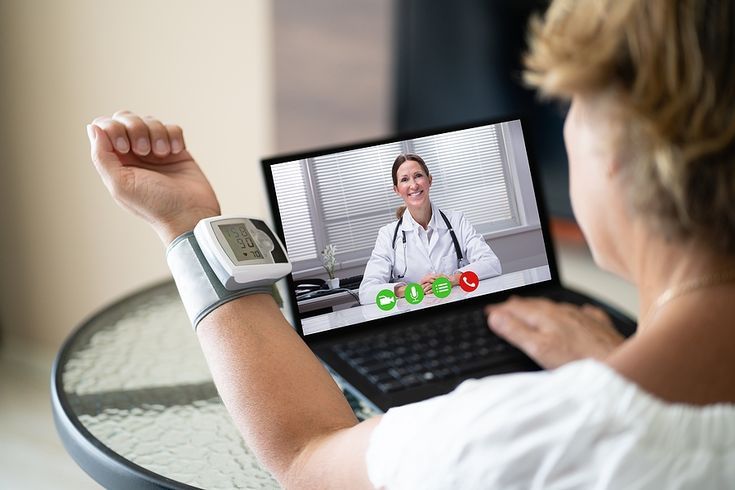
Care management programs such as Chronic Care Management (CCM), Remote Patient Monitoring (RPM), and Transitional Care Management (TCM) have become essential to modern healthcare delivery. As healthcare systems shift toward value-based and outcomes-driven models, these programs are no longer optional, they are foundational.
Yet, despite their promise, over half of care management initiatives fail to achieve sustainable clinical and financial impact. The root cause is rarely clinical intent. Instead, failures stem from fragmented workflows, reactive care models, weak execution infrastructure, and outdated technology approaches.
Evidence from CMS, AHRQ, and NEJM Catalyst consistently shows that well-designed care management reduces hospitalizations by 25–40% and total cost of care by 12–18% but only when supported by a robust technology foundation capable of operationalizing care delivery at scale.
Below are the most critical mistakes healthcare organizations make when launching care management programs, along with how modern care platforms solve them.
1. Treating Care Management as a Billing Program
Why this fails
Programs built primarily around reimbursement logic prioritize documentation over outcomes. This results in low patient engagement, superficial interventions, clinician burnout, and minimal clinical impact. Over time, these models generate short-term revenue but long-term operational fragility.
How technology solves this
Modern care platforms embed clinical protocols, end-to-end care orchestration, and longitudinal outcome tracking directly into daily workflows. This reorients care delivery around proactive engagement, structured care pathways, and measurable clinical improvement transforming care management into a clinical operating system, not a billing exercise.
2. Fragmented Clinical Data & Workflow Silos
Why this fails
Disconnected EHRs, RPM dashboards, spreadsheets, and communication tools create blind spots, delayed interventions, duplicated effort, and higher error risk. AHRQ studies associate fragmented data environments with 30–40% higher adverse event likelihood.
How technology solves this
Unified care platforms establish a single care execution layer that consolidates patient data, workflows, and clinical communication. This enables real-time visibility, seamless care coordination, and faster clinical decision-making, which improves both safety and efficiency.
3. Reactive Care Instead of Predictive Intervention
Why this fails
Without real-time analytics and risk stratification, teams intervene only after patient deterioration becomes clinically evident. This leads to preventable hospitalizations, emergency visits, and rising care costs. CMS Innovation Center research shows predictive risk stratification can reduce hospitalization by up to 38% in high-risk populations.
How technology solves this
AI-enabled platforms deliver continuous risk scoring, early-warning alerts, and predictive analytics, enabling care teams to intervene before conditions escalate. Protocol-based automation ensures timely action, shifting care delivery from reactive response to predictive prevention.
4. Manual Workflow Execution
Why this fails
Manual task assignments, follow-ups, documentation, and handoffs increase burnout, compliance risk, and operational bottlenecks. As patient volumes grow, consistency deteriorates and scale becomes nearly impossible.
How technology solves this
Care management platforms automate clinical workflows, task sequencing, documentation, alerts, and escalation logic, enabling organizations to scale patient populations exponentially without proportional staffing increases; unlocking true operational leverage.
5. RPM Without Clinical Workflow Integration
Why this fails
RPM programs fail when device data remains disconnected from clinical workflows. This creates alert fatigue, delayed responses, and low provider adoption. JAMA studies show 32–45% fewer emergency visits when RPM is fully integrated into care pathways.
How technology solves this
Integrated platforms ingest RPM data directly into clinical protocols and care pathways, triggering intelligent triage, prioritization, and automated intervention workflows converting raw data into actionable clinical intelligence.
6. Lack of Standardized Clinical Protocol Infrastructure
Why this fails
Unstructured and variable care delivery produces inconsistent outcomes, quality gaps, and higher complication rates. AHRQ research demonstrates standardized protocols to reduce complications by 28–35%.
How technology solves this
Modern platforms operationalize evidence-based clinical protocols directly into daily workflows, ensuring consistency, compliance, and scalability while preserving clinician autonomy and judgment.
7. Weak Compliance & Audit Readiness Infrastructure
Why this fails
Manual documentation increases audit exposure, administrative burden, and revenue leakage, while diverting clinician time away from patient care.
How technology solves this
Automated compliance engines ensure real-time documentation validation, audit trail creation, and regulatory alignment, enabling continuous audit readiness, billing accuracy, and operational efficiency.
8. Low Patient Engagement & Adherence
Why this fails
Without personalized engagement workflows, patients disengage, leading to poor adherence, missed follow-ups, and suboptimal outcomes. Low engagement undermines both clinical and financial sustainability.
How technology solves this
Digital engagement platforms enable personalized communication, adaptive care plans, behavioral nudges, and continuous feedback loops, improving adherence, satisfaction, and long-term health outcomes.
9. Inability to Measure Clinical & Financial Impact
Why this fails
Organizations often lack visibility into outcome performance, cost reduction, and operational efficiency limiting strategic optimization and payer alignment.
How technology solves this
Advanced analytics dashboards deliver real-time clinical, financial, and operational insights, empowering leadership to continuously optimize care models, staffing strategies, and payer negotiations.
10. Scaling Without Execution Infrastructure
Why this fails
Rapid patient enrollment without workflow automation, clinical governance, and operational control leads to quality erosion, staff burnout, and financial leakage.
How technology solves this
Care platforms provide enterprise-grade orchestration, governance, and automation, enabling sustainable scaling while maintaining clinical quality, compliance, and patient experience.
Why Clinicus Is a Leading Care Management Platform for Modern Care Organizations
Most care management software solutions address isolated functions documentation, RPM dashboards, or billing workflows. Clinicus was designed to solve a much larger challenge: end-to-end care execution at scale.
At its core, Clinicus functions as a complete platform, unifying care orchestration, clinical protocols, patient engagement, analytics, compliance, and operational intelligence into a single care execution layer.
This architecture enables healthcare organizations to:
Convert fragmented workflows into structured, protocol-driven care pathways
Shift from reactive interventions to predictive, preventive care
Standardize care delivery without sacrificing clinical autonomy
Scale patient populations without proportional staffing growth
By integrating people, workflows, protocols, and data into one intelligent system, Clinicus enables consistent, measurable, and scalable care delivery, a foundational requirement for value-based and outcome-driven healthcare models.
Clinicus does not merely support care management. It operationalizes it.
Conclusion: From Programs to Platforms
Care management is no longer an operational add-on.
It is becoming the core execution infrastructure of modern healthcare delivery.
As reimbursement models evolve toward outcomes, accountability, and population health, organizations that rely on fragmented tools and manual workflows will struggle to scale, comply, and perform. The future belongs to healthcare systems that invest in platform-based care execution — not disconnected programs.
Success will not be defined by:
how many patients are enrolled
how many minutes are billed
but by:
how consistently outcomes improve
how predictably operations scale
how intelligently care is delivered
This shift from programs to platforms will define the next decade of healthcare transformation.
Care management programs such as Chronic Care Management (CCM), Remote Patient Monitoring (RPM), and Transitional Care Management (TCM) have become essential to modern healthcare delivery. As healthcare systems shift toward value-based and outcomes-driven models, these programs are no longer optional, they are foundational.
Yet, despite their promise, over half of care management initiatives fail to achieve sustainable clinical and financial impact. The root cause is rarely clinical intent. Instead, failures stem from fragmented workflows, reactive care models, weak execution infrastructure, and outdated technology approaches.
Evidence from CMS, AHRQ, and NEJM Catalyst consistently shows that well-designed care management reduces hospitalizations by 25–40% and total cost of care by 12–18% but only when supported by a robust technology foundation capable of operationalizing care delivery at scale.
Below are the most critical mistakes healthcare organizations make when launching care management programs, along with how modern care platforms solve them.
1. Treating Care Management as a Billing Program
Why this fails
Programs built primarily around reimbursement logic prioritize documentation over outcomes. This results in low patient engagement, superficial interventions, clinician burnout, and minimal clinical impact. Over time, these models generate short-term revenue but long-term operational fragility.
How technology solves this
Modern care platforms embed clinical protocols, end-to-end care orchestration, and longitudinal outcome tracking directly into daily workflows. This reorients care delivery around proactive engagement, structured care pathways, and measurable clinical improvement transforming care management into a clinical operating system, not a billing exercise.
2. Fragmented Clinical Data & Workflow Silos
Why this fails
Disconnected EHRs, RPM dashboards, spreadsheets, and communication tools create blind spots, delayed interventions, duplicated effort, and higher error risk. AHRQ studies associate fragmented data environments with 30–40% higher adverse event likelihood.
How technology solves this
Unified care platforms establish a single care execution layer that consolidates patient data, workflows, and clinical communication. This enables real-time visibility, seamless care coordination, and faster clinical decision-making, which improves both safety and efficiency.
3. Reactive Care Instead of Predictive Intervention
Why this fails
Without real-time analytics and risk stratification, teams intervene only after patient deterioration becomes clinically evident. This leads to preventable hospitalizations, emergency visits, and rising care costs. CMS Innovation Center research shows predictive risk stratification can reduce hospitalization by up to 38% in high-risk populations.
How technology solves this
AI-enabled platforms deliver continuous risk scoring, early-warning alerts, and predictive analytics, enabling care teams to intervene before conditions escalate. Protocol-based automation ensures timely action, shifting care delivery from reactive response to predictive prevention.
4. Manual Workflow Execution
Why this fails
Manual task assignments, follow-ups, documentation, and handoffs increase burnout, compliance risk, and operational bottlenecks. As patient volumes grow, consistency deteriorates and scale becomes nearly impossible.
How technology solves this
Care management platforms automate clinical workflows, task sequencing, documentation, alerts, and escalation logic, enabling organizations to scale patient populations exponentially without proportional staffing increases; unlocking true operational leverage.
5. RPM Without Clinical Workflow Integration
Why this fails
RPM programs fail when device data remains disconnected from clinical workflows. This creates alert fatigue, delayed responses, and low provider adoption. JAMA studies show 32–45% fewer emergency visits when RPM is fully integrated into care pathways.
How technology solves this
Integrated platforms ingest RPM data directly into clinical protocols and care pathways, triggering intelligent triage, prioritization, and automated intervention workflows converting raw data into actionable clinical intelligence.
6. Lack of Standardized Clinical Protocol Infrastructure
Why this fails
Unstructured and variable care delivery produces inconsistent outcomes, quality gaps, and higher complication rates. AHRQ research demonstrates standardized protocols to reduce complications by 28–35%.
How technology solves this
Modern platforms operationalize evidence-based clinical protocols directly into daily workflows, ensuring consistency, compliance, and scalability while preserving clinician autonomy and judgment.
7. Weak Compliance & Audit Readiness Infrastructure
Why this fails
Manual documentation increases audit exposure, administrative burden, and revenue leakage, while diverting clinician time away from patient care.
How technology solves this
Automated compliance engines ensure real-time documentation validation, audit trail creation, and regulatory alignment, enabling continuous audit readiness, billing accuracy, and operational efficiency.
8. Low Patient Engagement & Adherence
Why this fails
Without personalized engagement workflows, patients disengage, leading to poor adherence, missed follow-ups, and suboptimal outcomes. Low engagement undermines both clinical and financial sustainability.
How technology solves this
Digital engagement platforms enable personalized communication, adaptive care plans, behavioral nudges, and continuous feedback loops, improving adherence, satisfaction, and long-term health outcomes.
9. Inability to Measure Clinical & Financial Impact
Why this fails
Organizations often lack visibility into outcome performance, cost reduction, and operational efficiency limiting strategic optimization and payer alignment.
How technology solves this
Advanced analytics dashboards deliver real-time clinical, financial, and operational insights, empowering leadership to continuously optimize care models, staffing strategies, and payer negotiations.
10. Scaling Without Execution Infrastructure
Why this fails
Rapid patient enrollment without workflow automation, clinical governance, and operational control leads to quality erosion, staff burnout, and financial leakage.
How technology solves this
Care platforms provide enterprise-grade orchestration, governance, and automation, enabling sustainable scaling while maintaining clinical quality, compliance, and patient experience.
Why Clinicus Is a Leading Care Management Platform for Modern Care Organizations
Most care management software solutions address isolated functions documentation, RPM dashboards, or billing workflows. Clinicus was designed to solve a much larger challenge: end-to-end care execution at scale.
At its core, Clinicus functions as a complete platform, unifying care orchestration, clinical protocols, patient engagement, analytics, compliance, and operational intelligence into a single care execution layer.
This architecture enables healthcare organizations to:
Convert fragmented workflows into structured, protocol-driven care pathways
Shift from reactive interventions to predictive, preventive care
Standardize care delivery without sacrificing clinical autonomy
Scale patient populations without proportional staffing growth
By integrating people, workflows, protocols, and data into one intelligent system, Clinicus enables consistent, measurable, and scalable care delivery, a foundational requirement for value-based and outcome-driven healthcare models.
Clinicus does not merely support care management. It operationalizes it.
Conclusion: From Programs to Platforms
Care management is no longer an operational add-on.
It is becoming the core execution infrastructure of modern healthcare delivery.
As reimbursement models evolve toward outcomes, accountability, and population health, organizations that rely on fragmented tools and manual workflows will struggle to scale, comply, and perform. The future belongs to healthcare systems that invest in platform-based care execution — not disconnected programs.
Success will not be defined by:
how many patients are enrolled
how many minutes are billed
but by:
how consistently outcomes improve
how predictably operations scale
how intelligently care is delivered
This shift from programs to platforms will define the next decade of healthcare transformation.
Browse Our Resources
Browse Our Resources
Browse Our Resources





















Ready To Elevate Patient Care?
Follow us on

© 2026 Sciometrix. All rights reserved.
VBC@sciometrix.com
+1 833-799-8881
306 S Washington Ave, 6th Floor Royal Oak, Michigan - 48067
CARE MANAGEMENT
VALUE-BASED CARE
HEALTHCARE SOLUTIONS

Ready To Elevate
Patient Care?
Follow us on
© 2026 Sciometrix. All rights reserved.
VBC@sciometrix.com
+1 833-799-8881
306 S Washington Ave, 6th Floor Royal Oak, Michigan - 48067
CARE MANAGEMENT
VALUE-BASED CARE
HEALTHCARE SOLUTIONS
Ready To Elevate
Patient Care?
Follow us on
© 2026 Sciometrix. All rights reserved.
VBC@sciometrix.com
+1 833-799-8881
306 S Washington Ave, 6th Floor Royal Oak, Michigan - 48067
CARE MANAGEMENT
VALUE-BASED CARE
HEALTHCARE SOLUTIONS
Ready To Elevate Patient Care?
Follow us on
© 2026 Sciometrix. All rights reserved.
VBC@sciometrix.com
+1 833-799-8881
306 S Washington Ave, 6th Floor Royal Oak, Michigan - 48067
CARE MANAGEMENT
VALUE-BASED CARE
HEALTHCARE SOLUTIONS